
It’s Earnings Season!

The focus this week turns to fourth-quarter company earnings, which in general is expected to be a stronger profit growth for economically sensitive value stocks such as energy, materials, and industrials compared to high growth technology companies. These economically sensitive sectors do better when there is inflation as their margins increase. The earnings reports will also show how companies are handling inflation. Notable names are reporting this week, such as Goldman Sachs, Travelers, and Bank of America, along with Netflix, United Airlines, and Procter & Gamble.
2021 Sets Jobs Creation Record

On Friday, we saw a disappointing jobs report as the U.S. economy added fewer jobs in December than expected. Despite a lower number, the jobs report showed a rise in hourly earnings, and the unemployment fell to 3.9%. According to Reuters, a record 6.4 million jobs were created in 2021, the highest annual increase in employment since record-keeping started in 1939. The 10-Year U.S. Treasury yield closed below 1.8%, continuing its run from the end of the year where the yield was around 1.5%.
Santa Claus Rally Reaches Records

The Santa Claus rally pushed equities to record highs the last week of the year. The real estate, utilities, and materials sectors outperformed with trading volume light while communication services and technology stocks lagged. An early indication of holidays sales shows that Americans were ready to spend as MasterCard reported that holiday sales rose 8.5% in December from a year earlier.
Fed News Fuels Market Volatility

Volatility in the equity markets rose last week following the Federal Reserve’s decision to end bond purchases sooner and raised the prospects of rate hikes in 2022. Markets ended the week lower, with the technology-heavy Nasdaq underperforming by a wide margin. As expected, the Federal Reserve accelerated the pace at which it will taper its bond purchasing program but left interest rates unchanged. The outlook for higher interest rates weighed on technology shares while value stock relatively performed better.
Investors Unfazed by INFLATION
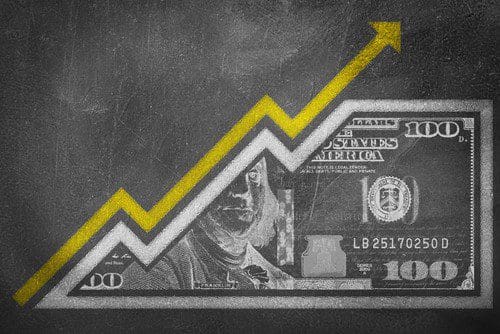
Inflation soaring to the highest level since 1982 did not scare investors away from equities as markets closed the week higher. Consumer inflation climbed in November to almost a four-decade high. Technology shares led the rally as financials and utilities lagged for the week. Concerns over the potential impact of the Omicron variant of COVID-19 on the economic recovery eased, which helped equities higher.
Market Reacts to Omicron

Omicron, the newest COVID variant, caused a selloff in the equity markets last week as investors weighed the possibility of new lockdown measures. More cases of the new variant were discovered in the United States, which helped trigger angst in the markets. Investors were also reacting to Fed Chair Jerome Powell, who mentioned that rates could rise sooner than previously thought.
South African Variant Sell-Off

The coronavirus reminded us again that the pandemic is far from over. Last Monday, Austrian residents started their day in lockdown. Later in the week, the new Covid-19 variant from South Africa set off alarm bells worldwide. Europe first, and then the U.S. announced travel bans on South Africa and surrounding countries. This setback in the fight against the virus caused investors to sell equities globally and buy the safety of Treasuries.
The Next Industrial Revolution?

With Washington’s political attention over President Biden’s recent economic and social stimulus bills and the global debate over greenhouse gases, beneath the surface could electric vehicles be laying the groundswell for another industrial revolution? Tesla’s market-cap now at $1.1 trillion exceeds Toyota, Volkswagen, Daimler, GM, and Ford’s combined. New EV entrants Rivian, recent IPO ($100 bn) and Lucid Motors ($90 bn) combined market-cap already exceed Ford and GM.
Consumers Worried

Stocks finished the week lower as worries over rising prices and deteriorating consumer confidence pulled equities lower. Consumer sentiment measured by the University of Michigan Consumer Sentiment index fell to a multiyear low, indicating that consumers are worried about rising prices. Inflation continues to be an issue, with both the producer and consumer prices increasing more than expected.
Factory Orders Exceed Expectations

Economic data came in a generally strong showing that the economy has gained strength as the delta variant has waned. Factory orders increased more than expected, and October’s unemployment report also topped estimates. The pickup in hiring was widespread across many industries, including the leisure and hospitality group.